Showing posts with label Crop Plants. Show all posts

Saturday, June 24, 2017

5.2: Understand the Effects on Crop Yield of Increased Carbon Dioxide and Increased Temperature in Glasshouses

EFFECTS OF CARBON DIOXIDE AND TEMPERATURE ON CROP YIELD:

CARBON DIOXIDE
TEMPERATURE
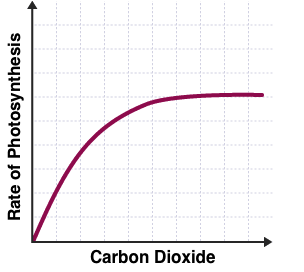
Graph showing the Effect of Carbon Dioxide on Rate of Photosynthesis
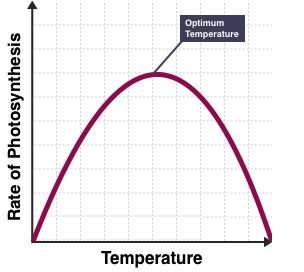
Graph showing the Effect of Temperature on Rate of Photosynthesis
EXPLANATION:

  • Glasshouses are Enclosed so Allows Carbon Dioxide Levels to be Controlled
  • Farmers will Burn Paraffin Lamps to Increase Carbon Dioxide Levels in Glasshouses
  • When Carbon Dioxide Levels Increases, it is No Longer the Limiting Factor so Rate of Photosynthesis will Increase
  • As Rate of Photosynthesis Increases, there is More Energy for Growth, Increasing Crop Yield of Plants
EXPLANATION

  • Glasshouses are Enclosed so Traps the Heat from the Sun, creating a Warm Climate
  • Increased Temperature will be Closer to Optimum Temperature of Enzymes in Plants, Increasing Enzyme Activity
  • Increased Enzyme Activity will Allow Rate of Photosynthesis to Increase
  • As Rate of Photosynthesis Increases, there is More Energy for Growth, Increasing Crop Yield of Plants

5.1: Describe How Glasshouses and Polyethene Tunnels can be Used to Increase the Yield of Certain Crops

GLASSHOUSES: A Glass Building used for Growing Plants in a Protected and Controlled Environment

POLYETHENE TUNNELS: Elongated Polyethene Covered Frame that Allows Plants to be Grown in an Enclosed Environment Outdoors

GLASSHOUSES
POLYETHENE TUNNELS
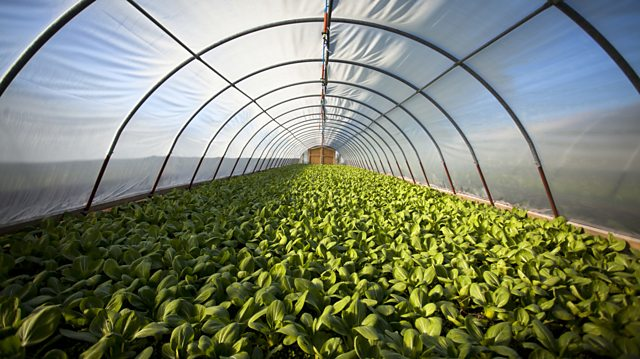
Picture showing Plants in a Glasshouse
Picture showing Plants in a Polyethene Tunnel
INCREASING CROP YIELD:

  • Enclosed Environment that Protects Plants from Harmful Weather such as Rain and Thunderstorms
  • Enclosed Environment Allows Carbon Dioxide Levels to be Controlled to Increase Rate of Photosynthesis for Growth (By Burning Paraffin Lamp)
  • Plants are Protected from the Outside so Prevents the Entry of Pests that can Damage Plants or Diseases that can Kill Plants
  • Traps Heat from the Sun so Creates a Warm Climate that is Close to Optimum Temperature of Enzymes in Plants, Increasing Enzyme Activity allowing Rate of Photosynthesis to Increase for Growth

5.4: Understand the Reasons for Pest Control and the Advantages and Disadvantages of Using Pesticides and Biological Control with Crop Plants

PEST CONTROL: Using Pesticides or Biological Control to Prevent Organisms such as Insects from Eating or Damaging Plants

PESTICIDES: Chemicals used to Control Pests

PESTICIDE
FUNCTION
FUNGICIDES
Kills Fungi
HERBICIDES
Kills Herbs
INSECTICIDES
Kills Insects


ADVANTAGE AND DISADVANTAGES OF PESTICIDES:
sd
ADVANTAGE
DISADVANTAGE
Increases Efficiency as it is Quick
Organisms can Develop Resistance
Immediate Effect
Non Specific Chemicals - Kills Other Organisms
Kills Entire Population
Bioaccumulation - Toxic to Food Chain

Continuously Apply


BIOLOGICAL CONTROL: Organisms used to Control Pests

ADVANTAGE AND DISADVANTAGES OF BIOLOGICAL CONTROL:

ADVANTAGE
DISADVANTAGE
Natural Method
May Eat Other Organisms
No Resistance
Takes a Long Period of Time to be Effective
Can Target Specific Species
Cannot Kill Entire Population
Long Lasting
May Not Adapt to New Environment and Die
Efficient as it Takes Little Effort to Sustain

5.3: Understand the Use of Fertiliser to Increase Crop Yield

FERTILISER: Contains Minerals and Nutrients that Increases the Growth of Plants

USING FERTILISERS TO INCREASE CROP YIELD:

FERTILISERS
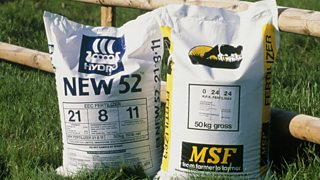
Picture showing Examples of Fertilisers Used in Farms
EXPLANATION:

  • Fertilisers are Water-Soluble Minerals that Dissolves in Water to be Absorbed through the Roots of the Plants by Active Transport
  • They contain Minerals and Nutrients such as Nitrates, Phosphates and Potassium that are Essential for the Growth of Plants, Increasing Crop Yield

IMPORTANCE OF MINERALS (NPK):

  1. NITRATES
  • Helps to Produce Amino Acids in Plants to Make Protein, Allowing Growth of Plant by Increasing Biomass
  • Lack in Nitrates can Cause Poor Growth and Leaves to Turn Yellow

  1. PHOSPHATES
  • Allows Plants to Convert Nutrients into Usable Building Blocks for Growth (Amino Acids are building Blocks of Protein)
  • Helps to Increase the Rate of Respiration to Release Energy for Growth
  • Lack in Phosphates can Cause Poor Root Growth and Discoloured Leaves

  1. POTASSIUM
  • Regulates the Stomata to Open and Close to Allow Carbon Dioxide Uptake for Photosynthesis
  • Allows Enzyme Reactions to Take Place to Produce ATP (Energy) for the Active Transport of Mineral Ions from the Soil
  • Lack in Potassium can Cause Poor Growth of Flowers and Fruits, as well as Discoloured Leaves