Showing posts with label Section 5: Use of Biological Resources. Show all posts

Saturday, June 24, 2017

5.2: Understand the Effects on Crop Yield of Increased Carbon Dioxide and Increased Temperature in Glasshouses

EFFECTS OF CARBON DIOXIDE AND TEMPERATURE ON CROP YIELD:

CARBON DIOXIDE
TEMPERATURE
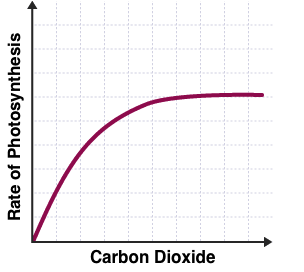
Graph showing the Effect of Carbon Dioxide on Rate of Photosynthesis
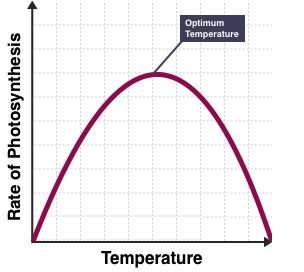
Graph showing the Effect of Temperature on Rate of Photosynthesis
EXPLANATION:

  • Glasshouses are Enclosed so Allows Carbon Dioxide Levels to be Controlled
  • Farmers will Burn Paraffin Lamps to Increase Carbon Dioxide Levels in Glasshouses
  • When Carbon Dioxide Levels Increases, it is No Longer the Limiting Factor so Rate of Photosynthesis will Increase
  • As Rate of Photosynthesis Increases, there is More Energy for Growth, Increasing Crop Yield of Plants
EXPLANATION

  • Glasshouses are Enclosed so Traps the Heat from the Sun, creating a Warm Climate
  • Increased Temperature will be Closer to Optimum Temperature of Enzymes in Plants, Increasing Enzyme Activity
  • Increased Enzyme Activity will Allow Rate of Photosynthesis to Increase
  • As Rate of Photosynthesis Increases, there is More Energy for Growth, Increasing Crop Yield of Plants

5.1: Describe How Glasshouses and Polyethene Tunnels can be Used to Increase the Yield of Certain Crops

GLASSHOUSES: A Glass Building used for Growing Plants in a Protected and Controlled Environment

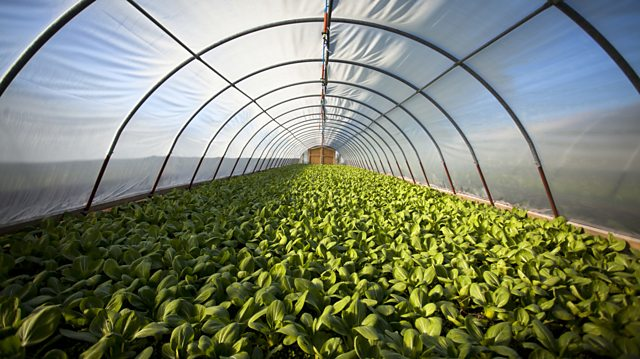
POLYETHENE TUNNELS: Elongated Polyethene Covered Frame that Allows Plants to be Grown in an Enclosed Environment Outdoors

GLASSHOUSES
POLYETHENE TUNNELS
Picture showing Plants in a Glasshouse
Picture showing Plants in a Polyethene Tunnel
INCREASING CROP YIELD:

  • Enclosed Environment that Protects Plants from Harmful Weather such as Rain and Thunderstorms
  • Enclosed Environment Allows Carbon Dioxide Levels to be Controlled to Increase Rate of Photosynthesis for Growth (By Burning Paraffin Lamp)
  • Plants are Protected from the Outside so Prevents the Entry of Pests that can Damage Plants or Diseases that can Kill Plants
  • Traps Heat from the Sun so Creates a Warm Climate that is Close to Optimum Temperature of Enzymes in Plants, Increasing Enzyme Activity allowing Rate of Photosynthesis to Increase for Growth

5.4: Understand the Reasons for Pest Control and the Advantages and Disadvantages of Using Pesticides and Biological Control with Crop Plants

PEST CONTROL: Using Pesticides or Biological Control to Prevent Organisms such as Insects from Eating or Damaging Plants

PESTICIDES: Chemicals used to Control Pests

PESTICIDE
FUNCTION
FUNGICIDES
Kills Fungi
HERBICIDES
Kills Herbs
INSECTICIDES
Kills Insects


ADVANTAGE AND DISADVANTAGES OF PESTICIDES:
sd
ADVANTAGE
DISADVANTAGE
Increases Efficiency as it is Quick
Organisms can Develop Resistance
Immediate Effect
Non Specific Chemicals - Kills Other Organisms
Kills Entire Population
Bioaccumulation - Toxic to Food Chain

Continuously Apply


BIOLOGICAL CONTROL: Organisms used to Control Pests

ADVANTAGE AND DISADVANTAGES OF BIOLOGICAL CONTROL:

ADVANTAGE
DISADVANTAGE
Natural Method
May Eat Other Organisms
No Resistance
Takes a Long Period of Time to be Effective
Can Target Specific Species
Cannot Kill Entire Population
Long Lasting
May Not Adapt to New Environment and Die
Efficient as it Takes Little Effort to Sustain

5.3: Understand the Use of Fertiliser to Increase Crop Yield

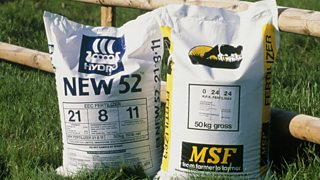
FERTILISER: Contains Minerals and Nutrients that Increases the Growth of Plants

USING FERTILISERS TO INCREASE CROP YIELD:

FERTILISERS
Picture showing Examples of Fertilisers Used in Farms
EXPLANATION:

  • Fertilisers are Water-Soluble Minerals that Dissolves in Water to be Absorbed through the Roots of the Plants by Active Transport
  • They contain Minerals and Nutrients such as Nitrates, Phosphates and Potassium that are Essential for the Growth of Plants, Increasing Crop Yield

IMPORTANCE OF MINERALS (NPK):

  1. NITRATES
  • Helps to Produce Amino Acids in Plants to Make Protein, Allowing Growth of Plant by Increasing Biomass
  • Lack in Nitrates can Cause Poor Growth and Leaves to Turn Yellow

  1. PHOSPHATES
  • Allows Plants to Convert Nutrients into Usable Building Blocks for Growth (Amino Acids are building Blocks of Protein)
  • Helps to Increase the Rate of Respiration to Release Energy for Growth
  • Lack in Phosphates can Cause Poor Root Growth and Discoloured Leaves

  1. POTASSIUM
  • Regulates the Stomata to Open and Close to Allow Carbon Dioxide Uptake for Photosynthesis
  • Allows Enzyme Reactions to Take Place to Produce ATP (Energy) for the Active Transport of Mineral Ions from the Soil
  • Lack in Potassium can Cause Poor Growth of Flowers and Fruits, as well as Discoloured Leaves

5.5: Understand the Role of Yeast in the Production of Beer

FERMENTATION: Chemical Breakdown of a SUbstance by Bacteria, Yeasts, or Other Microorganisms to Release Energy

YEAST IN THE PRODUCTION OF BEER:

PRODUCTION OF BEER
Diagram showing the Process to Produce Beer
EQUATION FOR ANAEROBIC RESPIRATION (YEAST):

Glucose    →    Ethanol    +    Carbon Dioxide
C6H12O6            C6H12O6                                6CO2  

EXPLANATION:

  • Sugar From Plant Material is Converted into Ethanol and Carbon Dioxide by Fermentation
  • Yeast is Used as a Natural Catalyst to Respire Anaerobically to Produce Ethanol and Carbon Dioxide at 37°C (Optimum Temperature for Enzymes in Yeast)
  • Ethanol is Used as Alcohol in Beer and Carbon Dioxide is used for Fizz and Froth

5.7: Understand the Role of Bacteria (Lactobacillus) in the Production of Yoghurt

FERMENTATION: Chemical Breakdown of a Substance by Bacteria, Yeasts, or Other Microorganisms to Release Energy

LACTOBACILLUS IN THE PRODUCTION OF YOGHURT:

PRODUCTION OF YOGHURT
Diagram showing the Production of Yoghurt
EXPLANATION:

  • All Equipment is Sterilised to Kill Bacteria and Prevent Chemical Contamination
  • Milk is Pasteurised at 85 - 95°C to Kill Bacteria (H
  • Milk is Homogenised, Having a Uniform Distribution of Fat Globules
  • Milk is Cooled to 40 - 45°C and Cultured Bacteria Lactobacillus is Added
  • Mixture is Incubated at this Temperature for Several Hours, while Bacteria will Digest Milk Proteins and Ferment Lactose to Lactic Acid
  • A Thickened Yoghurt is Formed, Stirred and Cooled to 5°C to Halt Reaction
  • Flavourings, Colorants and Fruit may be Added before Packaging

5.6: Describe a Simple Experiment to Investigate Carbon Dioxide Production by Yeast, in Different Conditions

EQUATION FOR ANAEROBIC RESPIRATION (YEAST):

Glucose       →       Ethanol      +      Carbon Dioxide


EXPERIMENT:

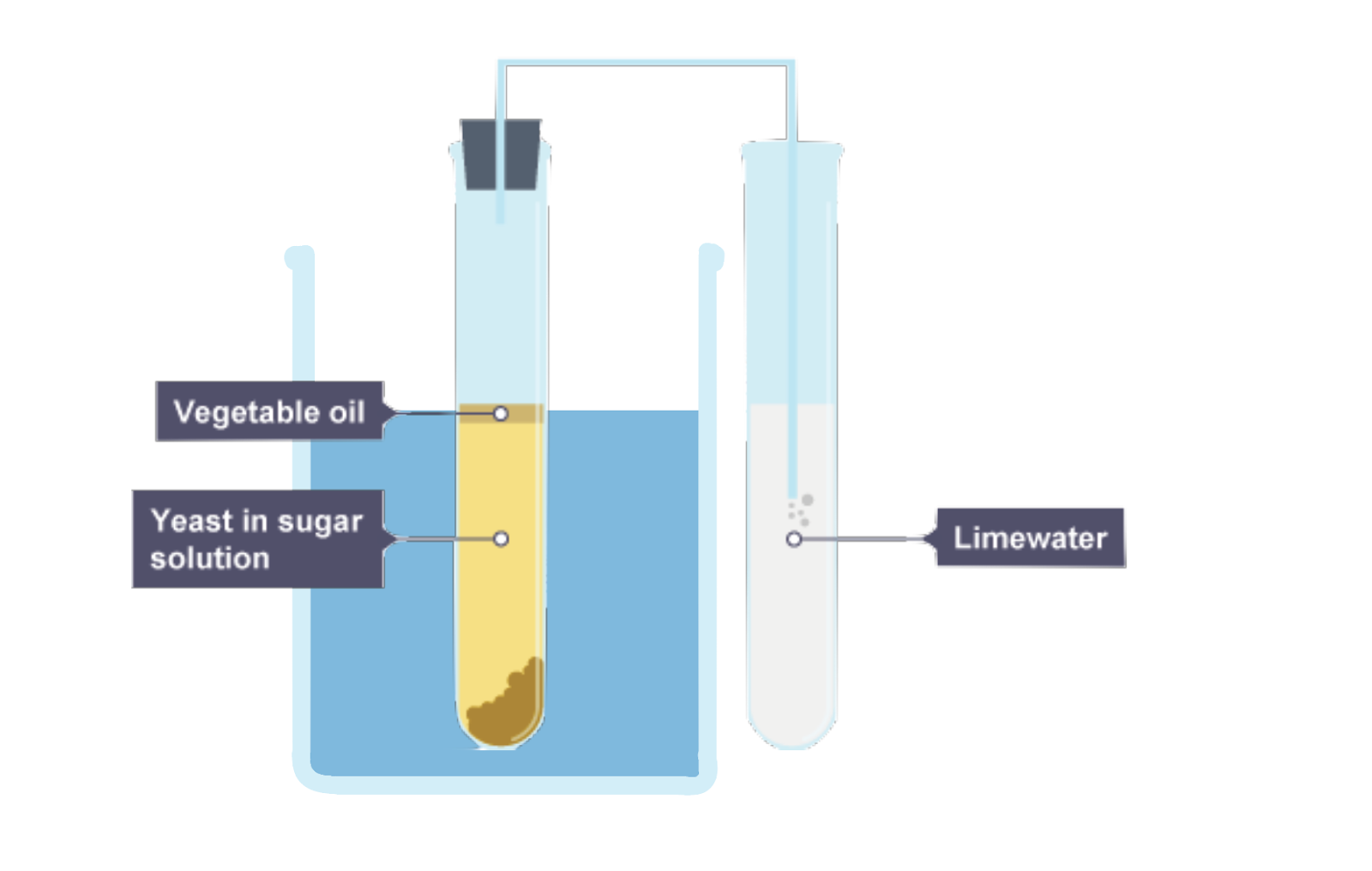
INVESTIGATING CARBON DIOXIDE PRODUCTION BY YEAST
Diagram showing Carbon Dioxide Production by Yeast
METHOD:

  • Mix Yeast with Sugar Solution in a Boiling Tube with a Layer of Oil to Prevent Oxygen from Entering (Prevents Aerobic Respiration)
  • Connect this Boiling Tube with A Test Tube of Limewater using a Capillary Tube and Enclose with a Bung
  • Place Boiling Tube with Yeast and Sugar Solution into Water Bath at Set Temperature and Count the Number of Bubbles Produced in Fixed Time
  • Change Temperature of Water Bath and Repeat
  • Compare Results at Different Temperatures

RESULTS:

  • Higher the Temperature, the More Bubbles of Carbon Dioxide will be Produced as Higher Temperatures will be Closer to Optimum Temperature of Enzymes in Yeast, Increasing Enzyme Activity
  • As Enzyme Activity Increases, Rate of Anaerobic Respiration will Increase
  • But if Temperature is Too High, Enzymes will Denature causing Carbon Dioxide Production to Stop

5.8: Interpret and Label a Diagram of an Industrial Fermenter and Explain the Need to Provide Suitable Conditions in the Fermenter, Including Aseptic Precautions, Nutrients, Optimum Temperature and pH, Oxygenation and Agitation, for the Growth of Micro-Organisms

INDUSTRIAL FERMENTER: Where Reactions using Microorganisms to Make a Range of Food Products and Medicines, Enzymes and Fuels takes Place in a Controlled Environment

Diagram:
                              

 SUITABLE CONDITIONS:

CONDITION
EXPLANATION
ASEPTIC PRECAUTIONS
Fermenter is Cleaned by Steam to Kill Microorganisms and Prevent Chemical Contamination, Only allowing Desired Microorganisms to Grow
NUTRIENTS
Nutrients are needed to be Used in Respiration to Release Energy for Growth, allowing Reactions to Take Place
OPTIMUM TEMPERATURE AND pH
Optimum Temperature and pH is Maintained using Probes to Ensure an Optimum Environment for Enzymes to Increase Enzyme Activity (Enzyme Denatures if Temperature and pH is Too High)
OXYGENATION
Oxygen is Needed for Aerobic Respiration to Take Place as Most Reactions are Aerobic
AGITATION
Stirring Paddles Ensures that the Microorganisms, Nutrients, Oxygen, Temperature and pH is Evenly Distributed

5.9: Explain the Methods which are Used to Farm Large Numbers of Fish to Provide a Source of Protein, Including the Maintenance of Water Quality, Control of Intraspecific and Interspecific Predation, Control of Disease, Removal of Waste Products, Quality and Frequency of Feeding And the Use of Selectively Breeding.

FISH FARM: A Place where Large Numbers of Fish are Bred for Commercial Purposes to Provide a Source of Protein

METHODS TO FARM LARGE NUMBERS OF FISH:


METHOD
EXPLANATION
MAINTENANCE OF WATER QUALITY
Water is Filtered to Remove Waste and Harmful Bacteria to Prevent Diseases. Water is also Cleaned to Maintain High Levels of Oxygen for Aerobic Respiration
CONTROL OF INTRASPECIFIC PREDATION
Intraspecific Predation: Competition Within the Same Species

Fishes are Separated by Size and Age to Prevent Competition (So they Do Not Eat Each Other) using Nets
CONTROL OF INTERSPECIFIC PREDATION
Interspecific Predation: Competition Between Different Species

Different Species of Fishes are Separated by Fences, Nets and Tanks
CONTROL OF DISEASE
Antibiotics are Given to Fishes to Increase Resistance to Diseases, Increasing the Chances of Survival. They are also Kept in Small Numbers to Minimise the Spread of Diseases
REMOVAL OF WASTE PRODUCTS
Water can be Filtered to Remove Waste Products such as Faeces and Sewage. Fences, Nets and Tanks are Cleaned or Location of Fish can be Changed to Ensure Clean Water
QUALITY AND FREQUENCY OF FEEDING
Fishes are Fed Food that are Nutritious to Ensure Growth. They are Fed Frequently but in Small Amounts so they Do Not Overeat or Start Eating Each other
USE OF SELECTIVE BREEDING
Selective Breeding is Used by Farmers to Only Allow Fishes with Desired Characteristics to Reproduce and Pass on Gene to Produce Fish that Grows as Fast as Possible